When you receive a message with the letters “KML,” you may wonder what the sender is trying to say.
Text slang can be confusing, especially when people use short forms on apps like WhatsApp, Instagram, TikTok, and Snapchat.
The good news is that KML is easy to understand once you know its common meaning. In text messages, KML often stands for “Killing Myself Laughing.” People use it to show that something is extremely funny.
It is similar to LOL and LMAO, which are also popular ways to express laughter online. However, the exact meaning can depend on the conversation and the person using it.
In this guide, you will learn what KML means in text, how people use it, where it came from, and how to reply when someone sends it to you.
What Does KML Mean in Text & Chat?
KML usually means “Killing Myself Laughing” in text messages and online chats. People use it when something makes them laugh a lot. It can be a funny joke, a silly video, an unexpected comment, or an embarrassing moment shared between friends.
The phrase is not meant to be taken literally in most casual conversations. Instead, it is an exaggerated way to show that something is hilarious. It helps people express strong laughter without typing a long message.
For example, imagine that your friend sends you a video of someone trying to dance and accidentally stepping on their own foot. You might reply with “KML 😂” to show that the video made you laugh.
Here are some common ways people use KML:
- To react to a funny joke: “KML, that was too funny.”
- To respond to a silly video: “Bro, KML at this video 😂”
- To laugh at a friend’s story: “KML, you really did that?”
- To react to an unexpected moment: “KML, I did not see that coming.”
- To keep a conversation playful: “KML stop making me laugh.”
KML is common in informal messages, especially among friends and people who enjoy internet slang. It may appear alone as a quick reaction or at the end of a longer sentence.
Remember that slang can have different meanings in different settings. If the conversation is about maps, software, or another technical subject, KML may refer to something else. Always consider the context before deciding what the sender means.
Full Form, Stands For & Short Meaning of KML
The most common meaning of KML in casual texting is “Killing Myself Laughing.” It describes a moment when something is so funny that the person cannot stop laughing.
Here is a simple breakdown:
- K: Killing
- M: Myself
- L: Laughing
Together, the letters create a short expression that people can type quickly during an online conversation.
The phrase uses exaggeration to make a reaction sound stronger. People often use similar expressions online because written messages do not always show facial expressions, voice, or body language. A short slang term can help make the intended emotion clearer.
For example:
Friend: “I walked into class and realized I was wearing two different shoes.”
You: “KML 😭😂”
Your reply shows that you find the situation funny. It does not mean that you are literally hurting yourself.
KML can also be confused with other abbreviations, such as LOL, LMAO, and ROFL. They all express laughter, but they have slightly different wording.
- KML: Killing Myself Laughing.
- LOL: Laughing Out Loud.
- LMAO: Laughing My Ass Off.
- ROFL: Rolling On the Floor Laughing.
- LMFAO: Laughing My Freaking Ass Off, or a more explicit version depending on the speaker.
These expressions serve a similar purpose, but people may choose one based on their personal texting style.
It is also important to know that KML does not have one universal meaning in every situation. In a technical discussion, it may stand for Keyhole Markup Language, a file format used for geographic information. The surrounding words usually make the intended meaning clear.
Origin, History & First Known Use of KML
KML became familiar to many internet users through the growth of text messaging, online chats, and social media. However, there is no single, widely accepted date that marks the first use of KML as slang for “Killing Myself Laughing.”
The phrase follows a common pattern in internet language. People shorten longer expressions into initials to save time and make conversations feel casual. This habit became popular as mobile phones, instant messaging, chat rooms, and social networking sites changed how people communicated.
Expressions such as LOL and LMAO helped make abbreviated laughter reactions a normal part of online conversation. KML fits into the same general style. Instead of typing a full sentence like “That made me laugh so hard,” a person can simply send three letters.
As social media grew, slang spread through comments, captions, private messages, memes, and short videos. A term used by one group of friends could quickly become familiar to people in other online communities.
KML is also connected to the playful way people communicate online. Users often make their reactions sound more dramatic than they would in everyday speech. This makes messages feel lively and helps friends share a sense of humor.
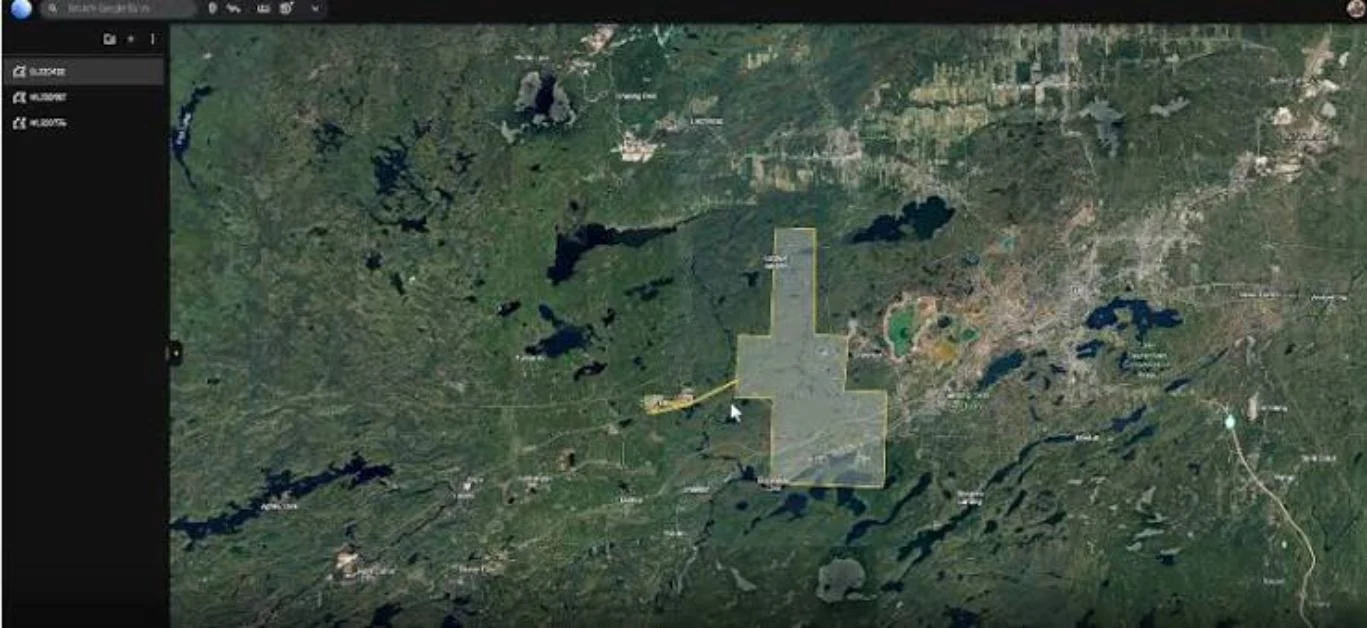
It is worth noting that the technical meaning of KML has a separate history. Keyhole Markup Language was developed for describing geographic data and became associated with mapping tools, including Google Earth. That technical use is different from the slang meaning found in casual chats.
Because slang changes over time, it is difficult to name one person, website, or platform that first introduced KML as a laughter expression. The safest explanation is that it developed as part of the wider trend of shortening phrases for digital communication.
How People Use KML in Daily Conversations
People usually use KML when they want to show that something is very funny. It is an informal reaction that works best in relaxed conversations with friends, classmates, siblings, and people who understand internet slang.
KML can appear at the beginning, middle, or end of a message. It can also stand alone as a complete reaction.
Here are some everyday situations where people might use it.
1. When a friend tells a funny story
Someone shares an embarrassing but harmless moment, and you respond with KML to show that the story made you laugh.
Example:
- Friend: “I waved back at someone who was waving at the person behind me.”
- You: “KML 😭”
2. When watching funny videos
Short videos and memes often inspire quick reactions. KML lets someone express laughter without writing a long comment.
Example:
- Friend: “Look at this cat falling asleep while sitting up.”
- You: “KML 😂 that cat is exhausted.”
3. During playful teasing
Friends may use KML when joking about each other. The meaning is usually friendly, but the tone matters.
Example:
- Friend: “You spent ten minutes looking for your phone while holding it.”
- You: “KML, don’t expose me.”
4. In group chats
KML can help show that a message is funny enough to get a reaction from the whole group.
Example:
- Group member: “Our teacher said ‘enjoy your weekend’ and then gave us five assignments.”
- You: “KML, that is not a weekend.”
5. When reacting to unexpected news
People also use KML when something surprising turns out to be funny.
Example:
- Friend: “He practiced his speech all night and forgot his first line.”
- You: “KML 😭”
KML works best when the conversation is casual. In a serious discussion, a laughing reaction may seem rude or insensitive. Always consider the other person’s feelings before using it.
KML Meaning Across WhatsApp, Instagram, TikTok & Snapchat
KML generally keeps the same meaning across popular social media platforms: “Killing Myself Laughing.” The main difference is how people use it on each app.
KML on WhatsApp
On WhatsApp, people may use KML in private chats, family groups, and conversations with friends. It often appears beside laughing emojis or after a funny message.
Examples:
- “KML 😂 you are too much.”
- “KML, send me that video again.”
- “I can’t believe you said that 😭 KML.”
WhatsApp conversations are often personal, so KML can be part of friendly jokes and everyday storytelling.
KML on Instagram
On Instagram, KML may appear in direct messages, Reel comments, and replies to funny Stories. People use it when a video, meme, or post makes them laugh.
Examples:
- “KML this Reel is crazy.”
- “KML 😂 look at his face.”
- “Your caption has me laughing.”
KML on TikTok
TikTok users may write KML in comments or send it to friends after watching a funny clip. It can be used for comedy videos, unexpected moments, relatable situations, and harmless fails.
Examples:
- “KML, the ending got me.”
- “Why did he do that? KML 😭”
- “KML this is too relatable.”
KML on Snapchat
On Snapchat, KML can appear in direct snaps, text chats, and reactions to funny pictures or videos. It helps keep quick conversations playful.
Examples:
- “KML at your snap 😂”
- “You really posted that? KML.”
- “KML, I wasn’t ready for that.”
Across all four platforms, the basic meaning is usually the same. Still, slang is not always used consistently, so look at the conversation before interpreting it.
Different Meanings of KML in Other Fields
Although KML often means “Killing Myself Laughing” in casual messages, the same letters have other meanings outside internet slang. This is why context matters.
One of the most important alternative meanings is Keyhole Markup Language, a file format used to describe geographic information for display in mapping applications.
1. Keyhole Markup Language
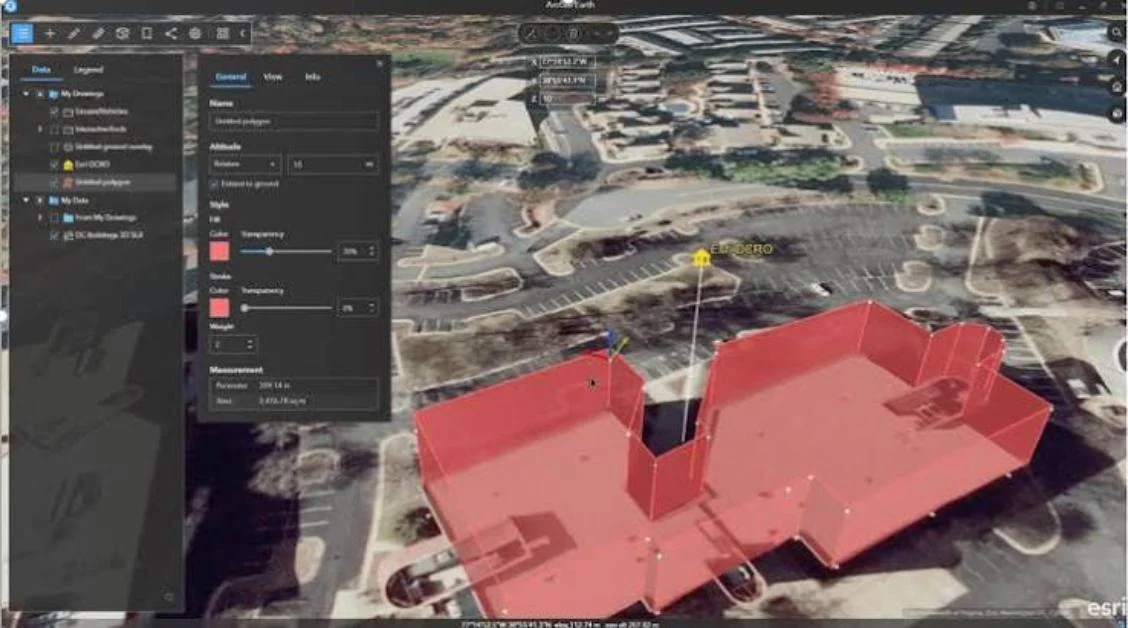
Keyhole Markup Language is commonly abbreviated as KML. It allows people to describe locations, points, lines, shapes, paths, and other geographic features. KML files are often associated with Google Earth and other geographic information tools.
For example, a person might share a KML file containing marked locations for a road trip or a collection of places on a map.
In this setting, KML has nothing to do with laughter.
2. KML in mapping and geography
People working with maps may use KML to exchange geographic information between compatible applications. A message such as “Please upload the KML file” is probably referring to the technical file format rather than texting slang.
3. KML in workplaces and projects
Some teams may use KML as an internal abbreviation, project code, or organization-specific term. Such meanings depend on the workplace and may not be understood by people outside that group.
4. KML in online communities
A specific gaming group, social community, or friend circle may give KML a personal meaning. These uses are less universal and require more context.
To identify the intended meaning, look at the surrounding words:
- “KML 😂 that joke was hilarious” probably means “Killing Myself Laughing.”
- “Open the KML file in Google Earth” refers to Keyhole Markup Language.
- “Send the KML data to the project team” likely refers to a technical or workplace task.
The key lesson is simple: abbreviations can have several meanings. The topic of the conversation usually tells you which one makes sense.
Common Confusions, Mistakes & Wrong Interpretations of KML
KML is simple once you know the common slang meaning, but people can still misunderstand it. Most confusion happens when someone sees the abbreviation without enough context.
1. Thinking KML is always about laughter
Many people use KML to mean “Killing Myself Laughing,” but that is not its only meaning. In mapping and geography, it commonly stands for Keyhole Markup Language.
Tip: Read the full message before deciding what KML means.
2. Confusing KML with LOL or LMAO
KML, LOL, and LMAO all express laughter. However, their full forms are different.
- KML means Killing Myself Laughing.
- LOL means Laughing Out Loud.
- LMAO means Laughing My Ass Off.
They can often be used in similar situations, but they are not the same abbreviation.
3. Taking the phrase literally
The words “killing myself” can sound serious when read without context. In casual slang, KML is usually an exaggerated way to express laughter.
However, if someone appears genuinely distressed or talks about self-harm, do not automatically assume they are joking. Pay attention to the full conversation.
4. Assuming everyone understands internet slang
Not every person knows KML. Someone who rarely uses social media may find it confusing.
If you are talking to someone unfamiliar with the term, a clearer phrase like “That is hilarious” may work better.
5. Using KML in serious conversations
KML is best for casual, funny situations. Using it when someone is sharing painful news may seem uncaring.
6. Assuming KML always expresses happiness
Sometimes people use laughter slang sarcastically or to respond to an awkward situation. The exact tone depends on the words, emojis, and relationship between the people chatting.
To avoid mistakes, consider the conversation, the sender’s usual texting style, and the situation. A little context can prevent a lot of confusion.
Similar Terms, Alternatives & Related Slang
If you understand KML, you will probably recognize several other abbreviations used to express laughter online. These terms are common in messages, comments, and social media conversations.
Here are some related expressions:
- LOL — Laughing Out Loud: A common way to show that something is funny. It can also soften a message or make a joke feel friendlier.
- LMAO — Laughing My Ass Off: Used when something is very funny. It is more informal and includes mild profanity.
- ROFL — Rolling On the Floor Laughing: An exaggerated way to express strong laughter.
- LMFAO — Laughing My Freaking Ass Off: A stronger, informal version of LMAO, though the wording can be more explicit.
- HAHA — A simple way to show laughter in a message.
- LMAOAO — A playful variation some users type to make their laughter reaction more dramatic. Its exact form may vary.
- 😭 — Often used online to express laughter, emotional overwhelm, or a reaction to something extremely funny.
- 💀 — Frequently used to mean that something is so funny that the person is “dead” from laughing, not literally dead.
For example, you could write “KML 😂” or “LMAO 😭” after seeing the same funny video. Both messages show that you found it hilarious.
The choice depends on your personal style. Some people prefer short abbreviations, while others use emojis or type “HAHAHA” to show their reaction.
If you are writing to a teacher, manager, or someone you do not know well, plain language is often safer than slang. In a friendly chat, KML and its alternatives can make the conversation feel relaxed and natural.
Examples of KML in Real Chat Situations
The easiest way to understand KML is to see how it works in everyday messages. In most casual examples, the sender uses it to show that a joke, story, or video made them laugh.
Here are some realistic chat examples.
Example 1: Funny mistake
Alex: “I said ‘you too’ when the waiter told me to enjoy my meal.”
Sam: “KML 😂 I’ve done that before.”
Example 2: A funny video
Mia: “Did you watch the video I sent?”
Noah: “Yes, KML 😭 the ending was wild.”
Example 3: Friendly teasing
Friend 1: “You took an umbrella outside when there wasn’t a cloud in the sky.”
Friend 2: “And then it started raining. KML at my luck.”
Example 4: Group chat humor
Aisha: “Our group project has 20 slides, and nobody has started.”
Hassan: “KML 😂 we’re in trouble.”
Example 5: An embarrassing story
Friend: “I practiced saying hello and still forgot what to say when I saw her.”
You: “KML bro 😭 just be yourself next time.”
Example 6: A social media comment
User 1: “This dog looks like it pays the bills.”
User 2: “KML 💀 why does it actually look serious?”
Example 7: A surprising moment
Friend: “He opened the fridge, stared inside, and closed it without taking anything.”
You: “KML, that’s literally me every night.”
Quick examples to remember
- “KML 😂 that joke was perfect.”
- “KML, I can’t stop laughing.”
- “KML 😭 why would you do that?”
- “This video has me KML.”
- “KML, you made my day.”
These examples show that KML usually works as a reaction to something funny. The exact tone may change with the situation, but the basic meaning stays the same in casual texting.
How to Reply When Someone Says KML
When someone sends you KML, they are usually reacting to something funny. Your reply can be simple, playful, or related to the joke. You do not need to make the conversation complicated.
The best response depends on what they are laughing about.
1. Reply with laughter
If you both find the same thing funny, respond with another laughter expression.
Examples:
- “LOL 😂”
- “I know, right?”
- “I’m crying 😭”
- “That was too funny.”
2. Keep the joke going
If the other person is laughing at your story, add another funny comment.
Examples:
- “Wait until you hear the rest.”
- “It gets worse 😂”
- “Don’t expose me like that.”
- “You should have seen what happened next.”
3. Use a friendly response
Sometimes a simple message is enough to keep the conversation moving.
Examples:
- “Haha, glad you liked it.”
- “I knew you’d laugh.”
- “Your reaction is killing me too 😂”
- “I’m happy that made you laugh.”
4. Ask what they mean if the context is unclear
If you receive KML without knowing what the person is reacting to, you can ask a question.
Examples:
- “Wait, what are you laughing at?”
- “What did I miss? 😂”
- “Why KML?”
- “Send me the video too.”
5. Respond carefully in a serious conversation
If the message seems connected to a difficult or emotional situation, check the tone before replying with more jokes. The abbreviation is usually playful, but not every conversation is lighthearted.
There is no single correct response to KML. You can use LOL, an emoji, a short joke, or a question. Choose a reply that fits your relationship with the sender and the topic of the conversation.
Is KML Still Popular? Trends & Online Usage

KML remains understandable as internet slang, especially for people who are familiar with abbreviated texting and social media language. However, its popularity can vary between communities, age groups, and platforms.
Some people prefer KML because it expresses a strong reaction in just three letters. Others use more familiar alternatives such as LOL, LMAO, or laughing emojis. Many users also choose phrases like “I’m dead” or “I’m crying” to show that something is extremely funny.
Social media trends can change quickly. A slang term may become popular in one group and less common in another. It may also return when people start using it in memes, short videos, or viral comments.
KML works well in casual settings because it is short and easy to type. It can be used in private messages, group chats, video comments, and replies to funny posts.
Here are a few things to remember about its online use:
- KML usually expresses strong laughter.
- Its meaning depends on the surrounding conversation.
- It can appear with emojis to make the reaction clearer.
- It is informal and may not suit professional messages.
- Other expressions, such as LOL and LMAO, may be more familiar to some people.
- Its technical meaning, Keyhole Markup Language, remains important in mapping-related discussions.
There is no need to use KML just because other people do. Internet slang works best when it feels natural to you and the people you are talking to. If your friends understand the term, it can be a quick and fun way to share a laugh.
Frequently Asked Questions
1. What does KML mean in text messages?
KML usually means “Killing Myself Laughing.” People use it to show that something is extremely funny. It is an informal expression commonly seen in chats and social media comments.
2. What does KML mean from a girl?
If a girl sends you KML in a casual conversation, she is usually saying that something made her laugh. It does not automatically mean she is flirting. The meaning depends on the conversation and your relationship with her.
3. What does KML mean from a boy?
When a boy sends KML, he usually means “Killing Myself Laughing.” He may be reacting to a joke, meme, funny video, or playful comment. The abbreviation alone does not reveal any romantic interest.
4. Is KML the same as LOL?
No. KML stands for “Killing Myself Laughing,” while LOL means “Laughing Out Loud.” Both are used to express laughter, but their full forms are different.
5. What does KML mean on WhatsApp?
On WhatsApp, KML usually means “Killing Myself Laughing.” People use it in private chats and group conversations when they find something funny.
6. What does KML mean on Instagram and TikTok?
On Instagram and TikTok, KML is often used in comments, direct messages, and replies to funny videos or memes. It usually expresses strong laughter.
7. What does KML mean in a technical context?
In technical and mapping contexts, KML stands for “Keyhole Markup Language.” It is a file format used to represent geographic information in compatible mapping applications.
8. How should I reply to KML?
You can reply with “LOL 😂,” “I know, right?” or “I’m crying 😭.” You can also continue the joke or ask what the person found funny if the context is unclear.
9. Is KML rude or offensive?
KML is generally not offensive when used as a casual laughter expression. However, it may seem insensitive if someone uses it while discussing a serious or painful subject.
10. Can I use KML in professional messages?
It is usually better to avoid KML in formal emails, work reports, or professional messages. Use clear language such as “That’s funny” or “That made me laugh” when a more professional tone is needed.
Conclusion:
Understanding KML makes online conversations easier, especially when friends use short forms in messages and social media comments.
In most casual chats, KML means “Killing Myself Laughing” and shows that something is extremely funny.
People may use it after hearing a joke, watching a video, reading a meme, or sharing a silly moment. It works on platforms such as WhatsApp, Instagram, TikTok, and Snapchat, although the exact usage can vary between people and communities.
Remember that KML can also stand for Keyhole Markup Language in mapping and technical settings. The context helps you identify the correct meaning. If someone sends you KML, you can reply with laughter, an emoji, or a playful comment.
There is no need to overthink it. Once you understand the situation, this simple abbreviation is easy to recognize and use naturally in everyday conversations.

Oyner is the creator of DailyWishz, passionate about sharing thoughtful wishes, positive messages, and little moments of joy. He believes the right words can brighten anyone’s day.